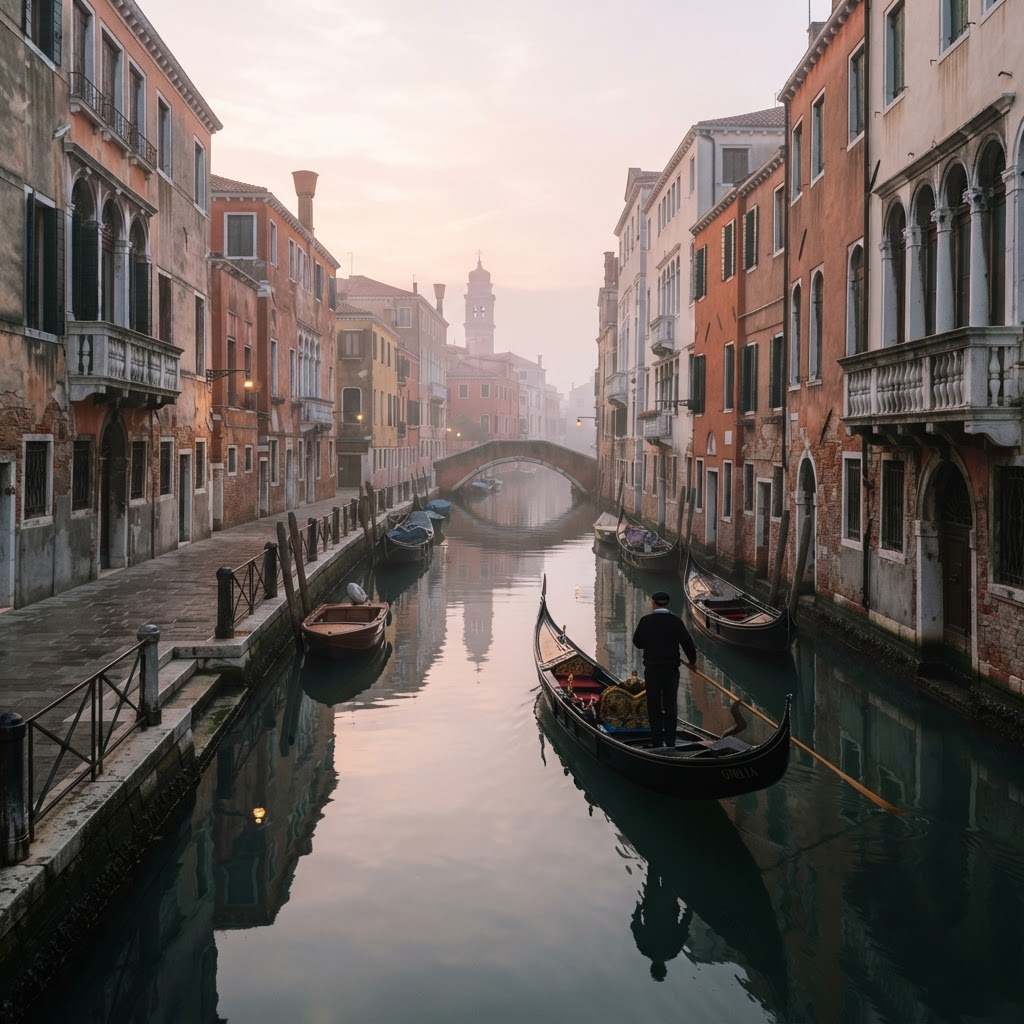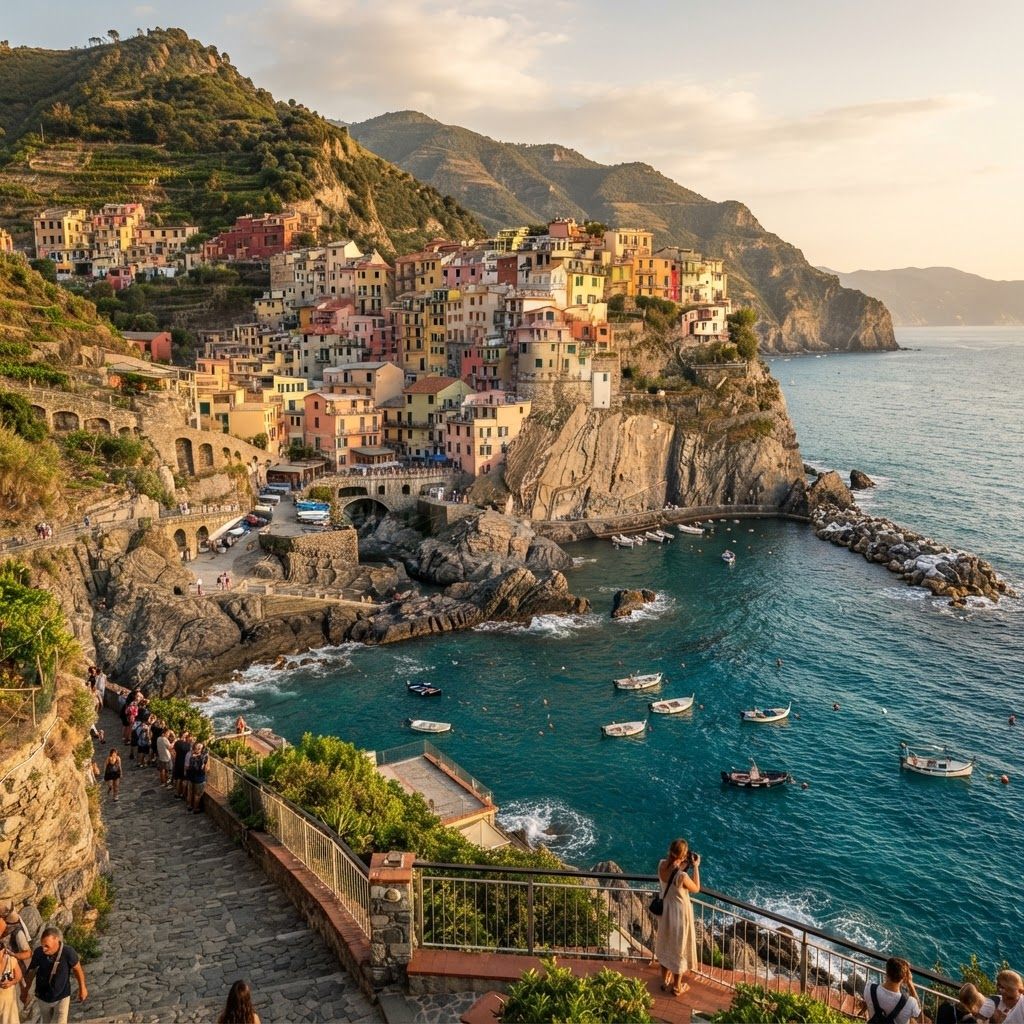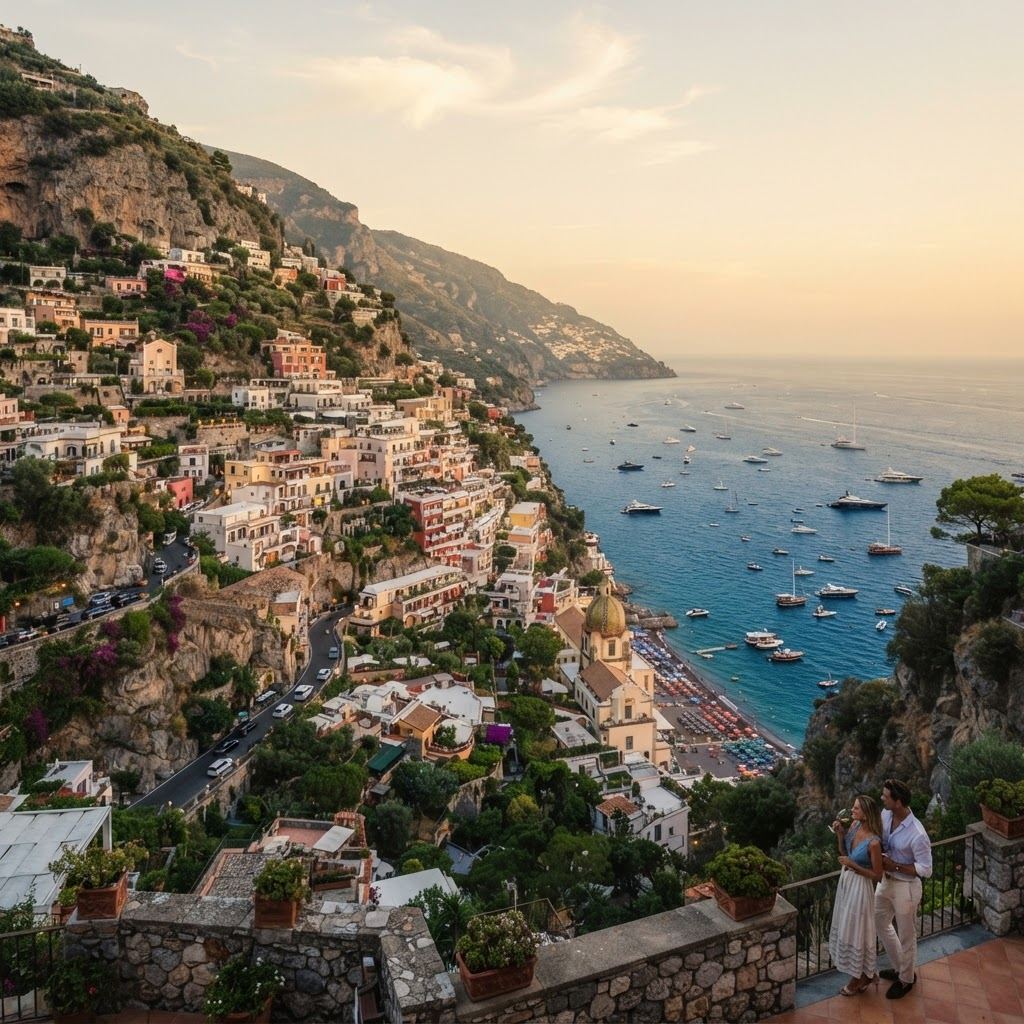
The Amalfi Coast is one of those places that arrives in your imagination long before you ever set foot there. Pastel villages stacked against cliffs, lemon groves clinging to impossible slopes, and a sea that seems to hold every shade of blue at once. I have not yet walked these roads myself, but months of research have taught me that the coast rewards those who slow down.
Why pace matters here
Guidebooks tend to compress the Amalfi Coast into a checklist: Positano, Amalfi, Ravello, done. But the towns are connected by a single winding road, and the true experience seems to live in the time between destinations — a coffee in a quiet piazza, a ferry taken instead of a bus.
The coast is not a series of stops. It is a rhythm you step into.
When to go
Late spring and early autumn appear repeatedly in accounts from travelers and locals alike. The summer crowds thin, the light softens, and the sea is still warm enough to tempt a swim.
- May and June for wildflowers and mild temperatures
- September and October for warm water and fewer crowds
- Winter for a quieter, more local experience
Getting around
The ferries between towns are, by most accounts, the most pleasant way to travel — trading the hairpin turns of the coastal road for open water and a new perspective on the cliffs.